The Golden Valley
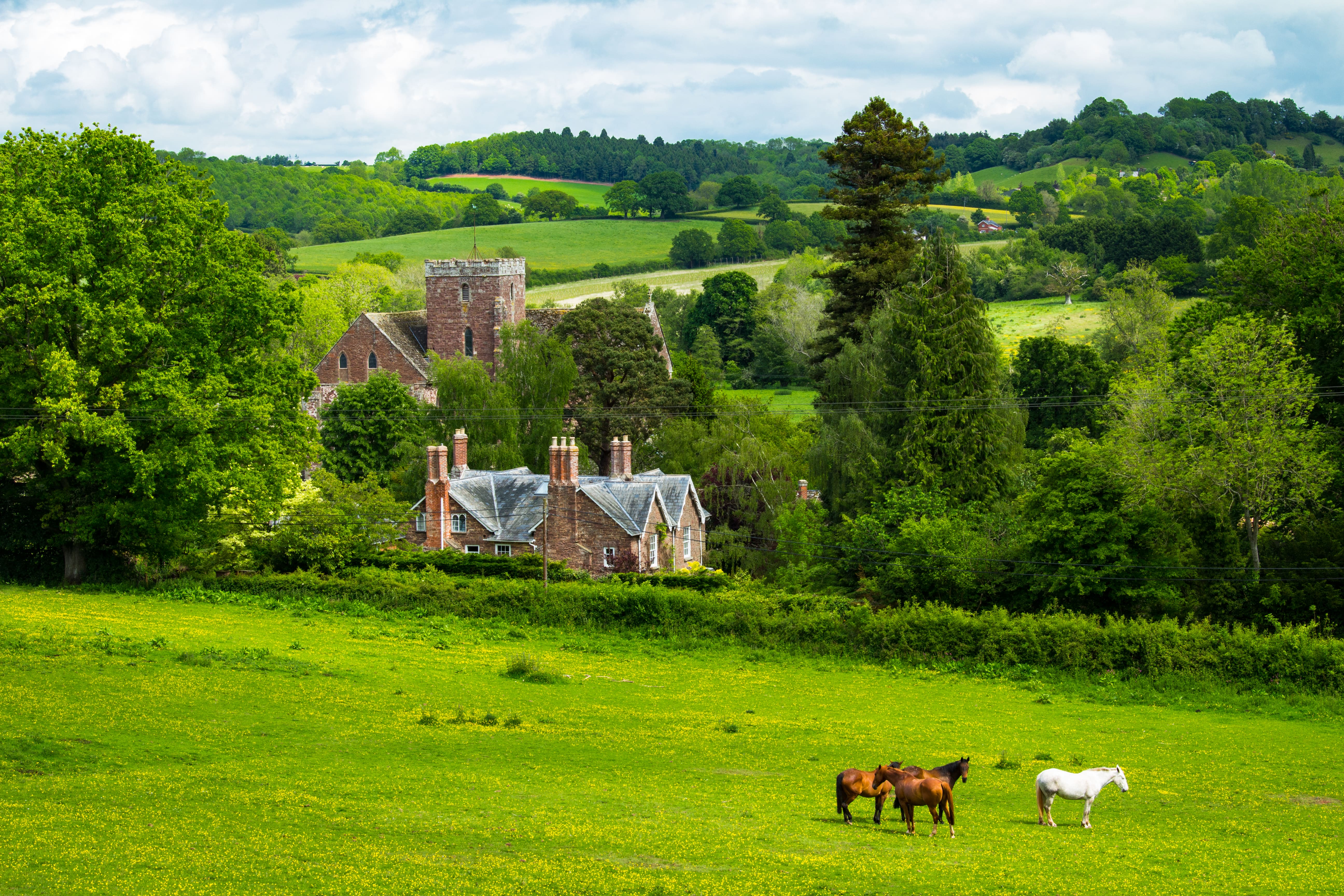
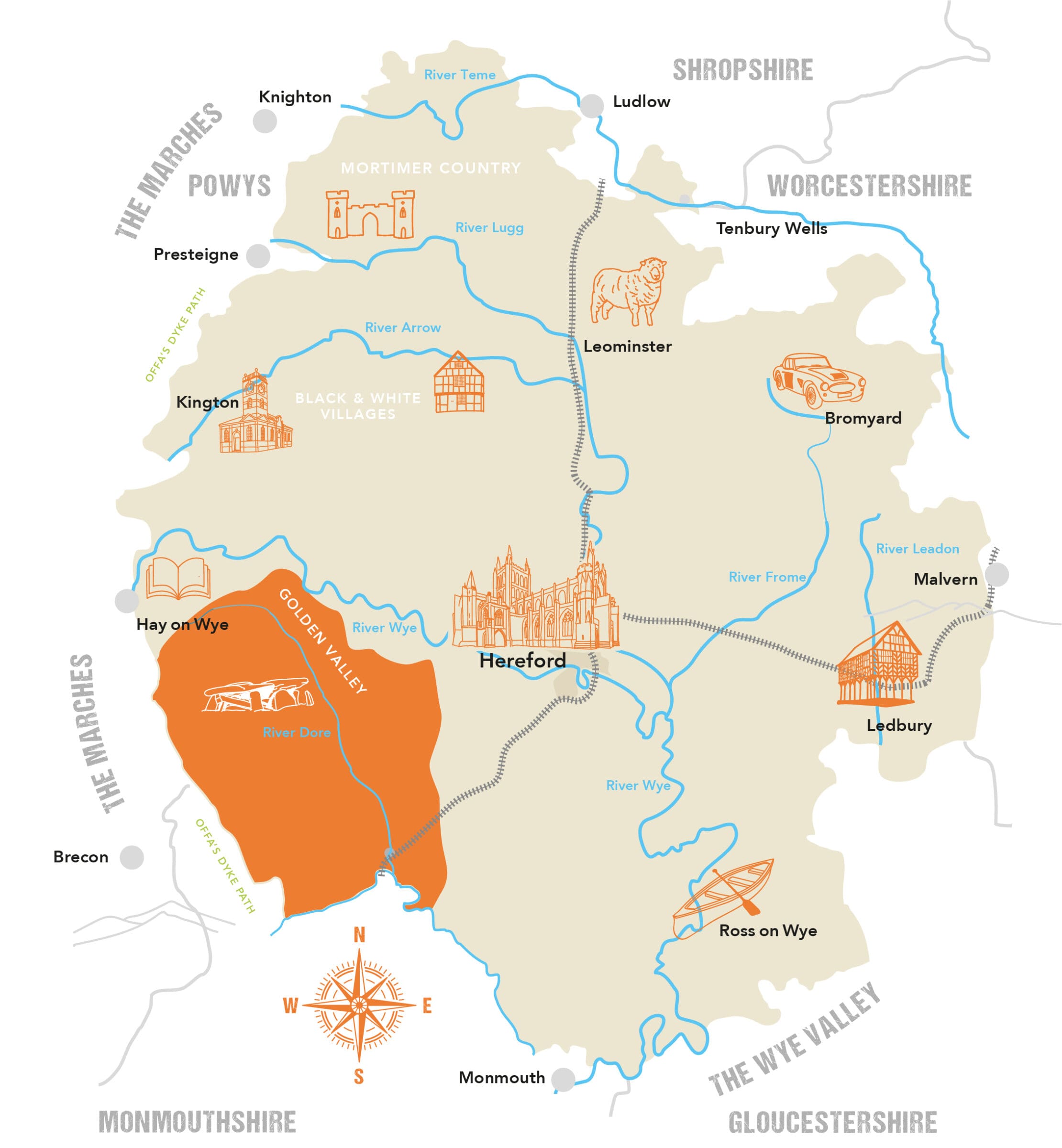
At the foot of the Black Mountains in the south West of Herefordshire, the picturesque valley of the River Dore is thought to have become known as the Golden Valley due to Norman confusion with the word Dore (or the Welsh word for water, dwr) and French for gold, d’or. Whether by default or by design, it seems a fitting name for an area of such enchanting natural beauty.
Here, we like to feel that its name depicts its continuous vibrant golden colour through the seasons; the yellow of the hoards of wild daffodils in spring, the vast waving fields of wheat or rape in the summer and the burnished leaves of autumn.
This truly is an area with the midas touch for visitors, especially walkers and many of the pubs have rooms that welcome the odd muddy boot.


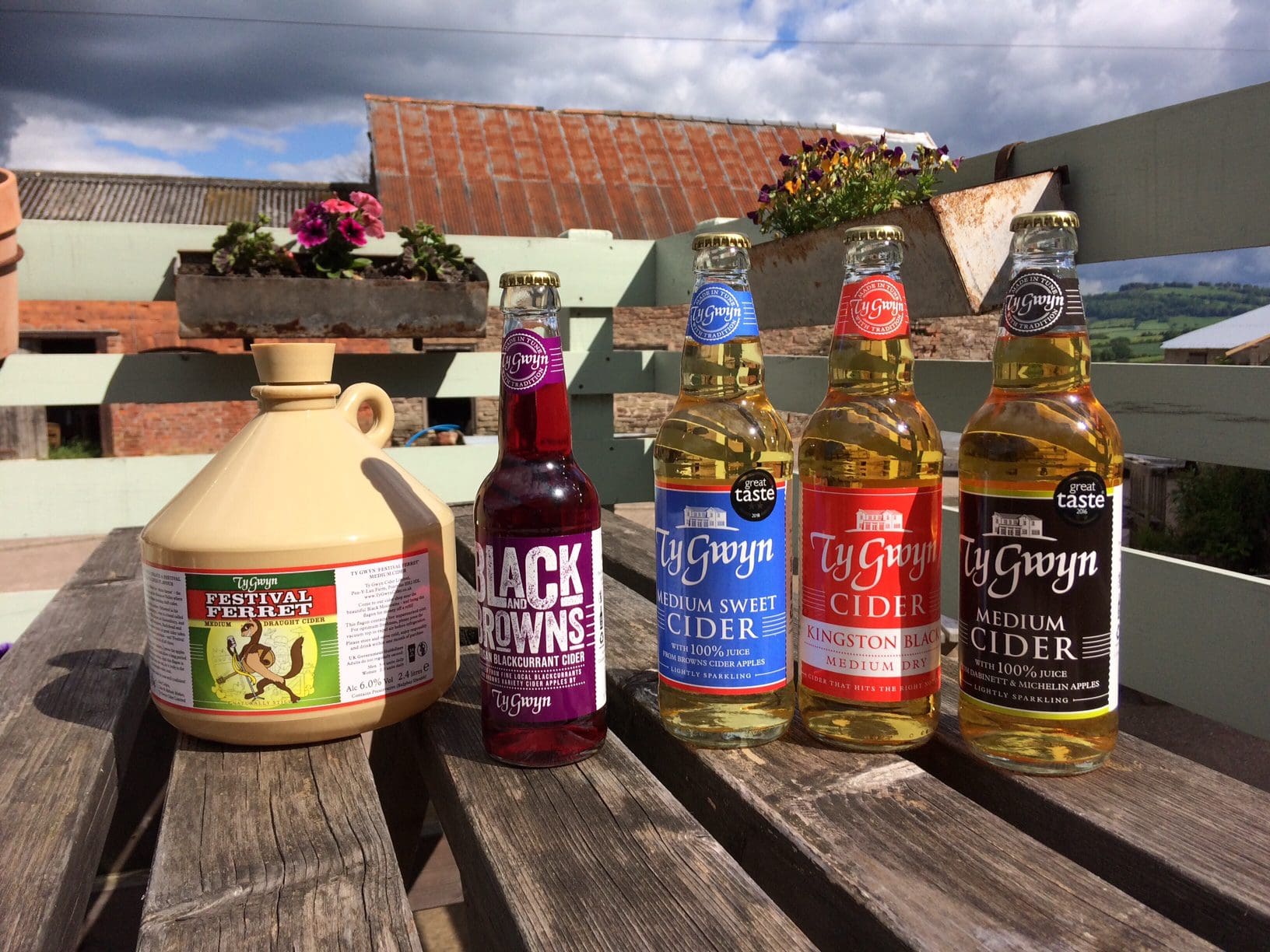
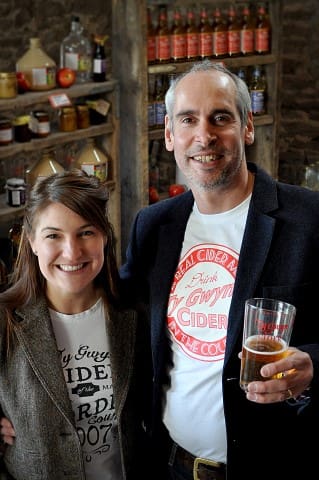
There’s lots to do in the area. Meet local artisan producers like award-winning Ty Gwyn Cider with their free tours and tastings, cider bar and their brand new cider shack cabins for a truly authentic Herefordshire stay. For more cidery fun, discover Gwatkin Cider and their rustically rural restaurant serving hearty homecooked breakfasts and lunches, alongside their artisan cider shop and, making their own spirits from cider apple mash, find Black Mountain Distillery in their country barns for tours, tasting and even gin and rum-making school.
Taste 50 shades of ice cream at Rowlestone Court onsite at their dairy parlour and cafe, then explore the walks on the farm park and you can even camp too. Sleep in the bosom of nature and stargaze from one of the luxurious hybrid yurt/cabins at Kaya, and experience the ancient art of metalwork at Oldfields Forge, where you can make your own personal sword, knife or even ring.
The main villages are Ewyas Harold, Dorstone, Peterchurch and Abbeydore and the quiet beauty of the Golden Valley has long attracted writers and storytellers. The Victorian diarist Francis Kilvert wrote movingly about the Herefordshire countryside in his journals, capturing a world of rural customs, church life and landscapes that still feel familiar today.
The biographical 1993 film, Shadowlands, starring Anthony Hopkins and Debra Winger, emotionally charting author CS Lewis’s life, was filmed in the area, authentically recalling Lewis’s real life homeland when he visited his brother, who was a vicar in the area.
So taken was Lewis with the atmospheric landscape that it is said that the alter on which Aslan the lion died, in his Chronicles of Narnia books, was inspired by the large table of Arthur’s Stone.
From film to fact the iconic Dore Abbey was founded in 1147 by the Norman lord Robert FitzHarold and settled by Cistercian monks from France. Like other Cistercian communities, the monks chose a remote valley where they could farm the land and pursue a life of prayer and labour.
For nearly four centuries vast sheep flocks grazed on the surrounding hills, producing wool that was exported across medieval Europe. The monks also established agricultural estates, known as granges, throughout the region.
Following the Dissolution of the Monasteries under Henry VIII, much of the monastic complex fell into ruin, but the surviving church was later restored by the influential John Scudamore in the 17th century. The Scudamore family, while also crucial to Herefordshire’s cider apple history, owned extensive estates in the valley and transformed the former abbey church into the parish church still used today, not just for worship but vibrant community events and song.
In the end, the Golden Valley’s true richness is not measured in gold at all. It lies in the quiet harmony between landscape, history and village life. It is a valley that does not shout for attention. Instead, it simply waits to be discovered.
See more lovely photos of the Golden Valley



Looking for somewhere to stay, take a peek at our comprehensive Accommodation in Herefordshire section.
Area Map